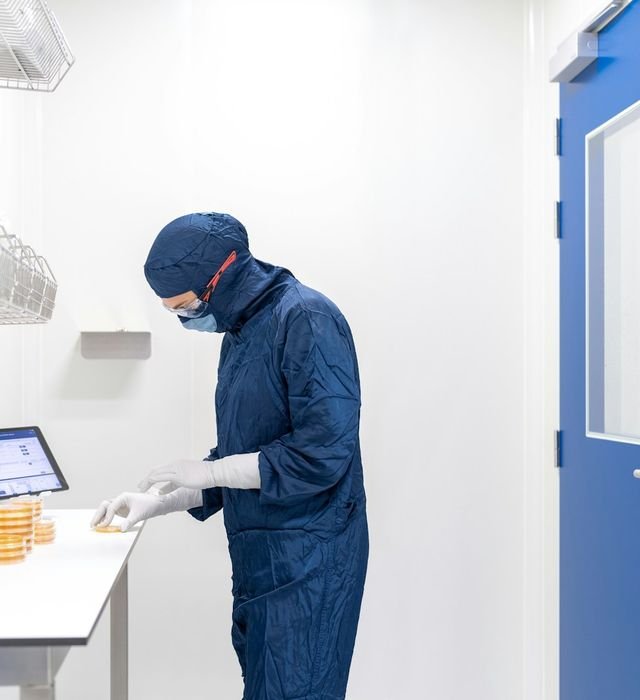
In the plasma water table fluid market pressure is rising from composite requirements for purity, consistency and traceability. Buyers pursue fluids that integrate with existing plasma processing workflows and minimize contamination risk. Suppliers face tighter quality controls and the need to demonstrate strong supplier qualification. The market context now rewards closer alignment between material specifications and processing steps across multiple life cycle stages.
Manufacturers, hospitals, payers and patients each feel the impact of these shifts. Production teams seek fluids that fit with cleanroom practices and GMP requirements, reducing variance in results. Procurement teams weigh total cost of ownership against risk of process disruptions. Clinical outcomes and regulatory expectations influence how decisions are justified and documented. The market is moving toward more standardized, auditable fluid choices with clearer supplier accountability.
The forces behind demand for plasma water table fluid
Demand is influenced by the need to maintain sterile and pyrogen free conditions in plasma handling. Materials suppliers are expanding portfolios to cover broader compatibility with different separation and purification steps. Hospitals are refining their standard operating procedures to accommodate newer equipment and faster throughput. Regulatory expectations push for tighter lot traceability and material certifications. Buyers increasingly demand formal risk assessments tied to fluid selection and supplier performance.
- Buyers seek fluids that fit precise process tolerances and reduce rework in plasma processing lines.
- Manufacturers pursue supply chains that minimize single source risk and improve batch-to-batch consistency.
- Regulators require clearer documentation of material specifications and supplier qualification processes across facilities.
Product types and care settings for plasma water table fluid
Several product types exist within this market, including high purity water grade fluids, buffered saline alternatives and specialty fluids designed for specific plasma separation steps. Each type aims to minimize particulate load and extractable contaminants while maintaining compatibility with downstream processing devices. Materials science advances enable better control of osmolarity, pH and ionic strength to protect donor materials and products. Some fluids are formulated to reduce residue formation on contact surfaces and minimize cleaning cycles in processing equipment. Suppliers emphasize supply chain transparency, lot stability and clear categorization of use cases to guide buyers.
Different deployment scenarios arise across settings. Core processing laboratories inside blood banks emphasize sterility and traceability, while contract manufacturing organizations focus on scale and consistency. Hospitals integrate plasma workflows with tissue processing or therapeutic product preparation, requiring reliable compatibility across equipment brands. Diagnostics and specialist labs may implement fluids as part of validation studies for novel plasma-derived products. Across these contexts, the choice of fluid influences process efficiency, quality control and compliance outcomes.
Rules and pricing for plasma water table fluid
Regulators emphasize material identity, purity, sterility and traceability, shaping how buyers evaluate fluid suppliers. Agencies such as the FDA in the United States, the EMA in Europe and national authorities in Japan and China set expectations for GMP compliance and quality systems. ISO 13485 underpins the medical device and related service aspects of fluid supply chains, while GMP standards govern manufacturing practices. Payers and health systems increasingly expect documentation that links fluid quality to process reliability and patient safety. Price setting is influenced by supply chain risks, batch sizing and the cost of quality assurance activities performed by manufacturers.
How demand for plasma water table fluid differs by region
North America tends to place emphasis on supplier qualification programs and strong quality systems to support high throughput plasma operations. Europe focuses on harmonized standards and mutual recognition of conformity assessments across member states. Asia Pacific shows a mix of rapid adoption of new fluid formulations and strong emphasis on local manufacturing and supply resilience. Differences in regulatory stringency and healthcare delivery models shape how buyers evaluate risk in each region. Regional maturity and sourcing networks drive the pace of product introductions and adoption.
Who competes in plasma water table fluid and how
The market features chemical and biopharma grade fluid suppliers, device manufacturers and contract service providers. Competition centers on purity performance, lot traceability, and the ability to deliver consistent supply. Some firms emphasize vertical integration from material synthesis to final packaging and distribution. Others compete on service elements such as on site training, documentation quality and rapid change control. Only firms with proven quality management and transparent supplier relationships win repeat business in this market.
What this means for strategy and investment teams
Strategists should map fluid requirements to specific plasma processing lines and validated cleaning workflows. Product teams can prioritize clear labeling, use case definitions and compatibility data to reduce procurement friction. Business development opportunities lie in forming partnerships with equipment manufacturers and hospital networks to standardize fluid choices across facilities. Investors may look for portfolios that address cross regional regulatory expectations with adaptable quality systems. Buyers should reinforce supplier qualification programs to improve risk management over the next two years.
Watch for shifts in supplier auditing practices and the adoption of standardized documentation packs that support cross border purchases. Buyers and suppliers should monitor progress in regulatory alignment across regions and ensure that quality systems keep pace with process innovations.
What this means for strategy and investment teams
In this market, organization and clarity in documentation matter as much as material performance. Teams should build scenarios that account for regulatory changes and potential supplier consolidation. A disciplined approach to supplier qualification helps prevent disruptions and maintains process reliability. Investment bets should favor firms with strong quality systems and proven performance in diverse regulatory environments. The buyer community will continue to demand predictable supply and strong post purchase support.
What buyers and suppliers should watch over the next two years
Buyers should watch for new guidance on traceability and material specifications that could tighten acceptance criteria. Suppliers should monitor capacity expansions and regulatory inspections that affect supply reliability. Both groups benefit from clearer incident reporting and faster remediation paths that keep plasma workflows flowing smoothly.
Our Plasma Water Table Fluid Market report gives the market size and forecast, the split by segment and region, and profiles of the leading companies.
Frequently Asked Questions
Looking For Data On This Topic?
Browse our healthcare market reports or speak with an analyst.