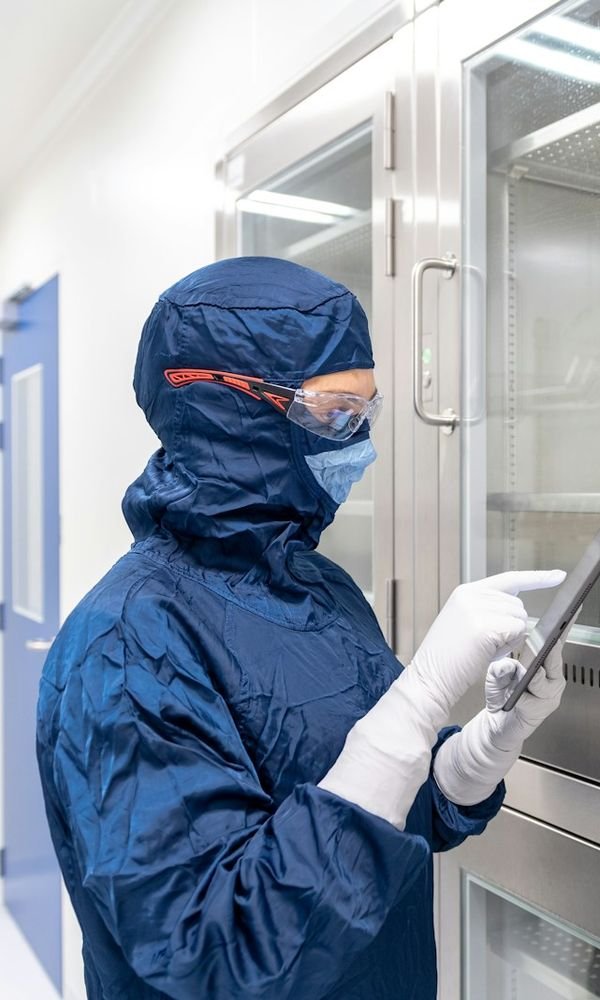
The medical device cleaning solvents market is facing a shift in how buyers evaluate safety, compatibility and supplier reliability. Companies seek solvents that fit existing workflows without compromising device performance. The shift is driven by tighter validation requirements and evolving standards in the manufacturing environment. Buyers want predictable performance, clearer documentation and easier integration into existing QA processes.
Hospitals and contract manufacturers are the primary buyers, yet device makers also specify solvents for in house cleaning lines. The stakes are commercial because performance tied to cleaning directly affects yield, downtime and regulatory readiness. Procurement teams weigh total cost of ownership against supplier support and audit readiness. The change matters now because regulatory expectations continue to tighten around validated cleaning methods. Teams must align with GMP and ISO standards while staying responsive to evolving device designs.
The forces behind demand for medical device cleaning solvents
The demand for safer and more consistent cleaning performance is increasing as device complexity grows. Regulators emphasize traceability and documented proof of effectiveness without harming tool materials. Manufacturers are pressed to demonstrate repeatable results across multiple lots and production sites. Supply chain resilience adds emphasis on alternative solvent options and interchangeable formulations. Buyers push for cleanability data that translate into reliable manufacturing outcomes across regional plants.
- Regulatory expectations push for clearer validation records and standardized testing protocols within manufacturing sites.
- Product developers seek solvents that preserve material integrity while meeting stringent rinsing and drying requirements.
- Procurement teams favor suppliers with strong change management and audit readiness to support compliance across markets.
Product types and care settings for medical device cleaning solvents
Product types include high purity solvents used for precision cleaning of delicate components and fully tuned formulations designed for automated cleaning lines. Some solvents aim for fast evaporation to minimize dwell times, while others focus on residue minimization through specialized chelating agents. Compatibility with polymers, coatings and elastomers is a critical design constraint. Cleaning protocols increasingly rely on validated concentrations and dwell times verified in controlled testing environments. Suppliers also offer complementary detergents and rinse aids to complement solvent cleaning stages and reduce recontamination risk.
These products are used in device assembly cleanrooms, hospital reprocessing streams, and contract manufacturing facilities. Device manufacturers specify solvents in their cleaning validation packages, while hospitals rely on sterile services departments to maintain validated cleaners in daily operations. Contract manufacturers integrate solvent cleaning into full decontamination workflows that meet defense quality requirements as well as civilian healthcare standards. Regional regulations influence which formulations are permissible in automated lines and manual cleaning steps. The market thus favors suppliers with strong technical support, validated test methods and clear risk assessments for each material class.
What regulation, reimbursement or pricing matters
Regulators in the United States, the European Union and Asia Pacific coordinate expectations around cleaning validation and risk management. Strong emphasis falls on GMP documentation, ISO 13485 alignment and traceable materials provenance. Payers do not set cleaning solvent prices directly, but procurement teams respond to budget pressures created by audit readiness and downtime risks. Hospitals increasingly seek cases where validated solvents shorten manufacturing cycles without compromising safety. Cleanliness standards tied to device clearance influence the procurement decision and the willingness to adopt new formulations. The regulatory environment shapes how buyers evaluate supplier performance across sites and over time.
How demand for medical device cleaning solvents differs by region
North America shows concentrated demand from contract manufacturers and large device makers with extensive validation programs. Europe emphasizes harmonized standards and mutual recognition across member states, which affects how solvents are sourced for cross border production. Asia Pacific experiences growth driven by rising manufacturing capacity and evolving quality systems in emerging markets. Differences in regulatory timelines and audit expectations influence how quickly new cleaning solvents are adopted. Access to qualified suppliers and data packages remains a differentiator in each region.
Who competes in medical device cleaning solvents and how
The market comprises chemical manufacturers, specialty cleaning solution providers and broad process solutions firms. Competition centers on validation support, material compatibility data and supply chain reliability. Larger players tend to offer end to end cleaning programs, including detergents, rinses and process automation support. Smaller specialists compete on documentation quality, faster change management and responsive technical service. Competition also hinges on the ability to provide clear risk assessments and strong supplier audits to satisfy regulatory requirements.
What this means for strategy and investment teams
Strategy teams should map the validation workstream to product and site level capabilities, aligning the supplier ecosystem with regional regulatory expectations. Business development teams benefit from detailing how solvent families integrate with existing manufacturing lines and quality systems. Product teams should prioritize materials compatibility testing and clear performance documentation that supports cross site use. Investment teams will weigh supplier consolidation versus specialist capabilities, focusing on readiness to scale with device design changes. Purchasing teams must secure consistent supply while managing risk through diversified sourcing and formal change control processes.
Buyers should monitor evolving validation guidelines, upcoming amendments to ISO and national GMPs, and any shifts in how audits are conducted. Suppliers should emphasize transparent documentation, rapid response to design changes and strong support during validation activities.
Our Medical Device Cleaning Solvents Market report gives the market size and forecast, the split by segment and region, and profiles of the leading companies.
Frequently Asked Questions
Looking For Data On This Topic?
Browse our healthcare market reports or speak with an analyst.