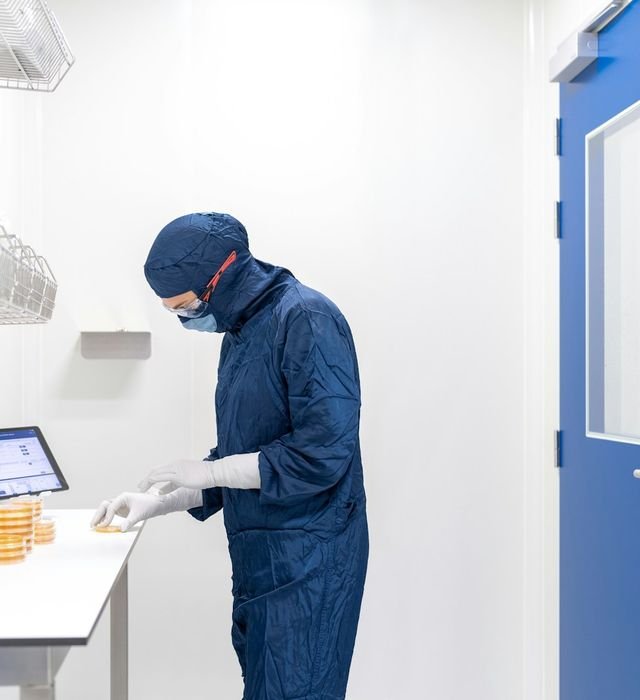
Vaccine refrigerants in Southeast Asia are encountering changes in how buyers source equipment and manage cost. The context includes evolving cold chain requirements and a push toward more reliable equipment in humid, tropical environments. Buyers must balance performance with total cost of ownership when choosing refri geration units and accessories. The market now shows a focus on process standardization across facilities and compatibility with existing supply chains. As a result, manufacturers and service providers adjust product configurations to fit regional needs and procurement practices.
Hospitals, clinics, and immunization programs are the primary buyers for vaccine refrigerants in the region. Manufacturers must consider service networks and uptime guarantees to avoid vaccine wastage. Payers and national programs watch for predictable costs and dependable performance. The commercial stakes revolve around risk mitigation, asset lifecycle planning and alignment with national immunization goals. These forces shape decisions on equipment type, maintenance planning and vendor selection. The following analysis concentrates on a single commercial question that matters for strategy and investment teams.
The forces behind demand for southeast asia vaccine refrigerant
The main forces behind demand include tighter adherence to cold chain standards and higher expectations for reliability. Operators seek equipment that functions across diverse climate zones and power conditions. Regional procurement teams prefer modular configurations that can scale with vaccination campaigns. Health programs require clearer maintenance responsibilities and faster deployment during outbreaks. Finally, there is a trend toward digital monitoring and clearer metrics for performance and compliance across facilities.
- Centralized procurement approaches are spreading across public health systems, reducing fragmentation and improving consistency in equipment specifications.
- Supply chain resilience plans push buyers to select products with strong service networks and longer component lifespans.
- Green and energy efficient options attract hospital and government buyers aiming to lower operating costs and environmental impact.
Product types and care settings for southeast asia vaccine refrigerant
Different product types address a range of clinical and operational needs. Configurations include portable and stationary units, high capacity models, and compact cabinets designed for limited spaces. Refrigerants rely on energy efficient compressors, variable speed drives, and insulation with low thermal bridges. Temperature monitoring is increasingly integrated with cloud based dashboards that alert operators to deviations. Some units are designed to operate on generator power or solar backup to improve reliability in remote locations.
Hospital pharmacies, district cold chain hubs, and community vaccination centers use these products in distinct ways. Portable units support outreach clinics and mobile vaccination campaigns. Stationary units handle routine storage within central facilities. In the regional market, manufacturers emphasize durability and ease of maintenance to match local workshop capabilities. The equipment is compatible with ISO 13485 and GMP expectations for medical devices used in vaccine handling. Cold chain service providers increasingly bundle monitoring with maintenance and calibration services.
Rules and pricing for southeast asia vaccine refrigerant
Regulators and standards influence buying decisions through quality expectations and conformity assessments. National health authorities require documented performance and traceability for vaccine storage equipment. Product testing aligned with ISO 13485 and general GMP principles is a common prerequisite for tender participation. Payers value predictable costs and reliability, which drives demand for extended service contracts and asset management plans. In regional programs, procurement rules emphasize transparency and clear qualification steps for suppliers. These factors shape how buyers compare equipment and negotiate terms with vendors.
Pricing is affected by total cost of ownership rather than upfront price alone, with emphasis on energy use and maintenance cycles. Buyers increasingly seek equipment that minimizes downtime and supports rapid re deployment during campaigns. Tender documents often request service level agreements and spare parts availability across at least five years. The regulatory environment encourages standardized specifications to ease cross border procurement within the region. These dynamics influence both the mix of vendors and the structure of contracts awarded.
How demand for southeast asia vaccine refrigerant differs by region
North America and Europe show greater emphasis on interoperability and strict service level commitments, while Asia Pacific prioritizes affordability and local service coverage. In Southeast Asia, climate resilience and energy efficiency are especially critical due to variable grid reliability. Demand differs because some markets have centralized procurement while others rely on hospital level purchases. The regional mix reflects a balance between import dependence and local assembly or servicing capabilities. Operators in smaller markets favor lighter weight and portable configurations for rapid deployment.
Companies and competition
The market includes medical device manufacturers and regional distributors offering vaccine refrigeration solutions. Competitors compete on reliability, service reach and the ability to meet local regulatory expectations. Companies with strong local service networks and clear spare parts supply chains tend to perform better in tender processes. Product differentiation occurs through energy efficiency, compact design and ease of use. Only firms with documented compliance to quality standards and local registrations participate actively in this market.
What this means for strategy and investment teams
Strategy teams should map procurement models across target markets to identify where centralized purchasing can reduce duplication and simplify compliance. Product teams need to align designs with regional regulatory expectations and service capabilities, particularly around maintenance and spares. Business development should focus on building service partnerships that expand reach into rural and peri urban clinics. Investment teams ought to evaluate assets with long term support commitments and scalable configurations for vaccination campaigns. Buyers should monitor supplier consolidation and the emergence of modular, energy efficient options in tenders and pilots.
Suppliers should watch for shifts in tender criteria that favor total cost of ownership and service quality over upfront price. Both buyers and suppliers benefit from clearer requirements on monitoring and data integration to support performance reviews over time.
Our Southeast Asia Vaccine Refrigerant Market report gives the market size and forecast, the split by segment and region, and profiles of the leading companies.
Frequently Asked Questions
Looking For Data On This Topic?
Browse our healthcare market reports or speak with an analyst.