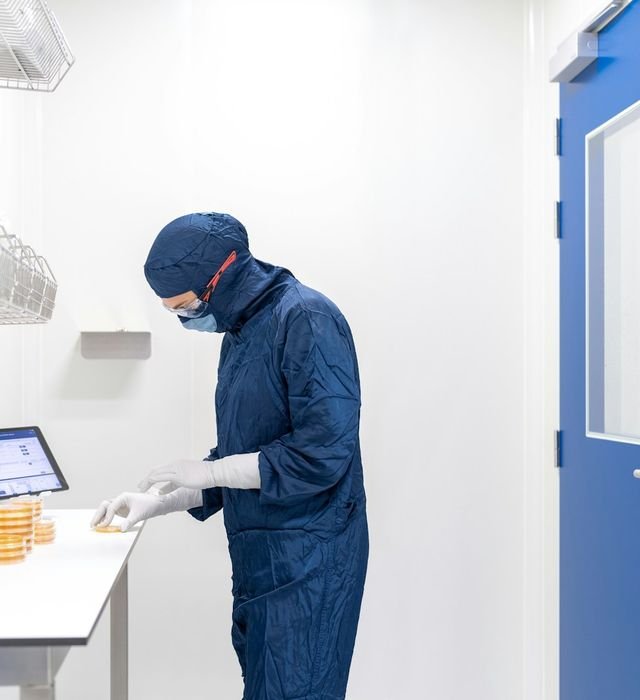
Pharmaceutical grade l-alanine market dynamics are shifting as supply chains adjust to new standards and patient safety expectations. Buyers seek reliable quality, consistent supply, and compliant processes across regions. Analysts observe a tighter connection between manufacturing controls and downstream formulation requirements. The market remains defined by the need for traceability, purity, and documented material provenance for active pharmaceutical ingredient use. For manufacturers, these factors translate into more intensive supplier qualification and higher emphasis on quality assurance systems.
Stakeholders across manufacturers, contract manufacturers, hospitals, and research institutions face tradeoffs between speed, cost, and compliance. Procurement teams weigh batch-to-batch consistency against lead times and flexibility in ordering. Payers and regulators increasingly view material quality as a factor in overall treatment outcomes. The commercial implications center on risk management, regulatory alignment, and the ability to support complex dosage forms. The market rewards predictable supply and rigorous documentation above nominal price considerations.
The forces behind demand for pharmaceutical grade l-alanine
The main forces behind demand for pharmaceutical grade l-alanine center on quality control, supply security, and regulatory expectations. Strong emphasis on compliant manufacturing processes pushes buyers toward well characterized sources. The need for strong material specifications supports safer and more effective drug products. Regional regulatory enforcement shapes how suppliers market their products and how buyers qualify them. Finally, the shift toward global supply chains increases the importance of cross border documentation and traceability.
- Quality assurance programs push suppliers to implement full lot traceability across all stages of production.
- Regulatory scrutiny on excipient sourcing encourages long term supplier partnerships with proven GMP compliance.
- Supply disruptions elevate the importance of diversified supplier bases and contingency planning.
Product types and care settings for pharmaceutical grade l-alanine
Manufacturers offer several forms of l-alanine intended for pharmaceutical use, including high purity powders suitable for sterile and non sterile formulations. Variants differ in particle size, drying method, and moisture content, which affect process compatibility. Material specifications cover assays, residual solvents, and microbial limits to meet strict pharmacopeial standards. Companies increasingly adopt analytical techniques that verify identity and purity early in the supply chain. The choice of formulation aids in stabilizing active ingredients and ensuring consistent bioavailability across batches.
These products are used in small molecule drug manufacturing, parenteral solutions, and intermediates for complex APIs. Research organizations may source l-alanine for GMP compliant studies and early stage formulation work. Hospitals and clinics rely on grade appropriate materials for compounded preparations and investigational therapies. In contract manufacturing, l-alanine is selected to align with client specifications and validated process controls.
Rules and pricing for pharmaceutical grade l-alanine
Regulatory expectations come from agencies such as the FDA and EMA, with attention to GMP and material quality documentation. Authorities in Asia Pacific, including PMDA, NMPA, and CDSCO, also require strong supplier qualification and audit trails. Buy side teams must demonstrate material provenance and compliance through batch records and certificates of analysis. Reimbursement considerations are tied to product safety profiles, consistent supply, and the ability to maintain quality during scale up. Pricing decisions increasingly reflect total cost of ownership, not just the unit price of the material.
How demand for pharmaceutical grade l-alanine differs by region
North America emphasizes supplier qualification, audit readiness, and documentation that supports accelerated development timelines. Europe concentrates on harmonized standards and the alignment of pharmacopoeial specifications with local requirements. Asia Pacific markets value local regulatory clarity and responsive supply chains for clinical development needs. Demand in each region is shaped by the strength of regulatory enforcement and the maturity of pharmaceutical excipient supply ecosystems. Global buyers integrate regional risk assessments to establish preferred sourcing routes.
Companies and competitive dynamics
Active players include excipient suppliers, pharmaceutical grade manufacturers, and contract manufacturers with established GMP expertise. Competition centers on purity consistency, supply reliability, and the ability to provide flexible documentation packages. Firms differentiate through audit readiness, strong change control processes, and scalable production capabilities. Some players emphasize regional footprints to support faster delivery and localized regulatory support. Market participants balance cost efficiency with the need to maintain high quality across varied dosage forms.
What this means for strategy and investment teams
Strategy teams should map supplier qualification timelines to launch milestones and regulatory filings. Product development plans benefit from early alignment with material specifications that reduce reformulation risk. Business development teams should pursue partnerships with manufacturers offering strong QA and clear batch documentation. Investment teams will evaluate exposure to supply chain resilience and regulatory trajectory rather than only price dynamics. Teams should monitor changes in excipient guidance and harmonization efforts that affect sourcing choices.
Buyers and suppliers should track updates to GMP guidelines, pharmacopoeial standards, and regional audit practices over the next two years. They should also watch for shifts in global supply chain policies that influence material provenance and cross border trade.
Our Pharmaceutical Grade Beta-Alanine Market report gives the market size and forecast, the split by segment and region, and profiles of the leading companies.
Frequently Asked Questions
Looking For Data On This Topic?
Browse our healthcare market reports or speak with an analyst.