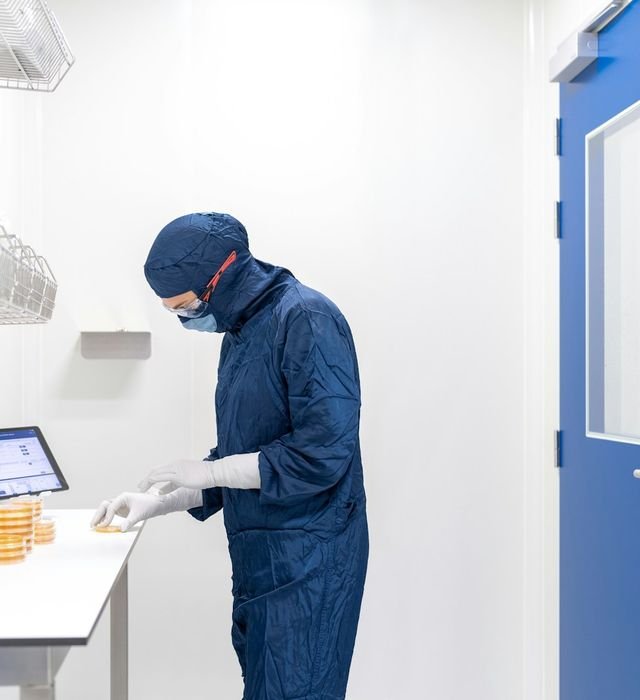
The heat transfer fluids for pharmaceuticals market is facing concrete shifts in procurement mindset and specification discipline. Manufacturers now require greater traceability across supplier ecosystems, and buyers seek end to end quality assurance that aligns with GMP standards. Hospitals and contract manufacturers demand consistent performance across varied processing environments. Regulators emphasize strong validation and documentation to reduce deviations during critical manufacturing steps. These dynamics shape purchasing behavior and push suppliers toward tighter quality control and service models.
Stakeholders including API producers, finished dose manufacturers, and device makers rely on stable heat transfer performance to protect product integrity. Payers increasingly track process reliability and defect rates as indicators of total cost of ownership. Patients benefit from fewer batch excursions and more predictable product quality, even as supply chains flex under disruption. The commercial value at stake centers on reliability, service reach, and the flexibility of support for regulatory audits. In short, procurement decisions now weigh not only price but also traceability, service depth, and demonstrated compliance.
The forces behind demand for heat transfer fluids for pharmaceuticals
Demand for consistent process quality and reduced risk is driving change in heat transfer fluids for pharmaceuticals market. Global production networks push buyers to qualify multiple suppliers for continuity. Environmental and safety considerations compel shifts toward lower viscosity formulations with safer base fluids. Industry standards require documentation that supports audits conducted by FDA and EMA inspectors. Market access now hinges on strong supplier oversight and validated testing protocols.
- Clinical pasteurization and fermentation operations demand stable thermal performance across a range of temperatures and viscosities.
- Contract manufacturing organizations push for uniform specifications to reduce batch variability and simplify quality reviews.
- Regulatory audits reward advertised traceability and routine testing in supplier qualification files.
Product types and care settings for heat transfer fluids for pharmaceuticals
Heat transfer fluids for pharmaceuticals market encompasses silicone oils, phosphate esters, glycols, and advanced hydrocarbon blends. Each class offers distinct thermal ranges, chemical compatibility, and fire safety profiles. Some products emphasize low toxicity and easy drainage to support cleaning and sanitization cycles. Others emphasize high thermal conductivity to maximize energy efficiency in continuous manufacturing lines. Specialty fluids incorporate corrosion inhibitors and anti-foam agents to protect surfaces and ensure smooth operation.
Different platforms support unit operations such as jacketed reactors, clean in place systems, and heat exchange loops in sterile processing zones. For many pharmaceutical plants, a mix of fluids is deployed to cover distillation, crystallization, and filtration workflows without compromising cleanliness. Customers increasingly require validated performance data and lot traceability to satisfy GMP documentation needs. Suppliers provide testing kits and calibration services to support ongoing qualification of fluid performance. The mix of product types affects procurement cycles, inventory planning, and maintenance strategies in cleanroom settings.
Rules and pricing for heat transfer fluids for pharmaceuticals
Regulators focus on material safety, environmental impact and process safety during handling and disposal. Agency expectations include thorough supplier qualification, batch testing, and clear records of cleaning and sanitization procedures. Payers look at total cost of ownership and reliability when evaluating vendor options for manufacturing operations. Price fairness and long term supply commitments influence purchasing decisions in multi year contracts. Compliance with GMP and ISO 13485 standards shapes how buyers select and monitor heat transfer fluids for pharmaceuticals market suppliers.
How demand for heat transfer fluids for pharmaceuticals differs by region
North America sees emphasis on validated supplier performance and full audits as a baseline requirement. Europe prioritizes environmental compliance and product stewardship in chemical management programs. Asia Pacific focuses on supply continuity and cost effective options aligned with expanding biopharma capacity. The mix of standards and regulatory expectations influences how buyers specify fluid properties and testing routines. Regional supply chain resilience concerns shape inventory strategies and safety stock levels across markets.
Competition and market structure
The field comprises chemical manufacturers, specialty fluid suppliers, and service oriented providers offering qualification and testing. Companies compete on formulation stability, safety profiles and compatibility with sterile processing systems. Some players emphasize global reach and strong logistics to support multi site operations. Others win by offering validated data packages and rapid response engineering support. Active participants in this space include established chemical groups and niche firms focused on pharmaceutical process fluids. The competitive dynamic centers on reliability, documentation quality and service heft rather than price alone.
What this means for strategy and investment teams
Product teams should align fluid specifications with GMP driven qualification workflows and audit expectations. Business development opportunities exist in partnerships that simplify supplier qualification and extend after sale support. Investors should evaluate capabilities in traceable data packages and validated testing services as indicators of resilience. For procurement teams, building a multi vendor strategy reduces risk and supports continuity planning during supply disruptions. Manufacturers can differentiate through strong quality management archives and long term service commitments.
Buyers and suppliers should monitor regulatory updates and changes in validation expectations over the next two years. Attention to change management, documentation standards, and cross site harmonization will determine project success and operational uptime.
Our Heat Transfer Fluids for Pharmaceuticals Market report gives the market size and forecast, the split by segment and region, and profiles of the leading companies.
Frequently Asked Questions
Looking For Data On This Topic?
Browse our healthcare market reports or speak with an analyst.