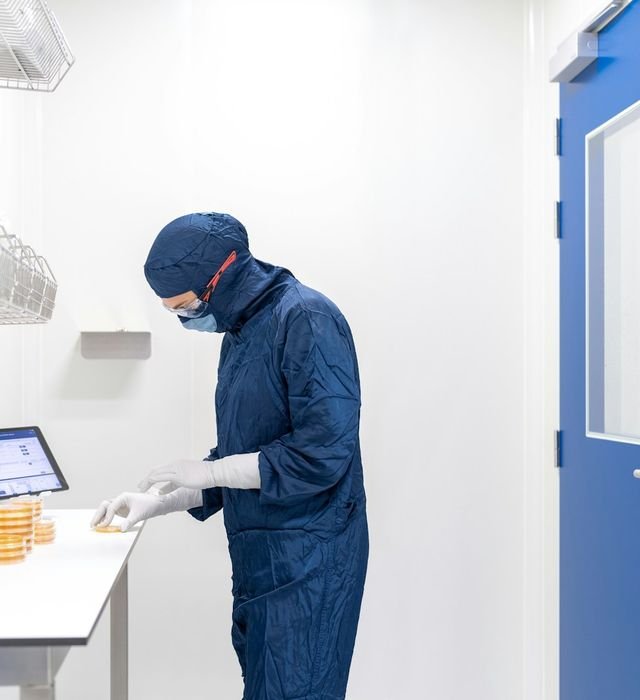
Biotechnology is undergoing a shift that centers on continuous manufacturing and integrated bioprocessing. The change matters for drug developers, device developers, and diagnostics players as it promises steadier production, smaller footprint plants, and closer control of product quality. Stakeholders in GMP environments must adjust to new process analytics and leaner facilities. The market is moving toward systems that can operate at scale with modular components and real time release testing. This shift also affects how regulators view process validation and data collection during commercial runs.
Manufacturers, contract organizations, hospitals, payers, and patients all face implications from this development. The emphasis on continuous operations can alter capital planning, asset use, and risk profiles. Quality systems must accommodate real time data streams and ongoing verification. Supply chains may become more resilient with smaller, modular units deployed closer to demand. At stake commercially is the ability to shorten time to scale and to lower operating costs while maintaining compliance with standards and guidelines.
The forces behind demand for biotechnology
The move toward continuous manufacturing in biotechnology is driven by the need for stable output and improved process control across biotherapeutic production. Real time analytics enable tighter specification control and faster decision making. As plant designs favor modularity, the industry seeks to shorten capital cycles and reduce lead times for new products. Regulators are evaluating how continuous processes fit existing GMP frameworks and validation practices. End users anticipate more predictable supply and less batch variability across product lines.
- Regulatory bodies are assessing how to certify continuous processes under GMP and ISO standards, influencing the pace of adoption.
- Equipment suppliers are offering scalable, modular platforms that integrate inline analytics and control loops.
- Biopharma companies are reorganizing manufacturing networks to balance in house capability with contract manufacturing options.
Product types and care settings for biotechnology
Several product types support the shift, including perfusion-based bioreactors that sustain cells over long runs and single use systems that reduce cleaning validation needs. Process analytical technology tools monitor critical quality attributes in real time and enable immediate adjustments. Data platforms integrate manufacturing execution systems with predictive models to optimize throughput and yield. Small footprint, flexible facilities enable rapid deployment in regional hubs. The combination of these technologies supports faster scale up from clinical material to commercial quantities.
In practice, biotechnology companies apply continuous bioprocessing for monoclonal antibodies and other biologics, while diagnostics development benefits from simpler sample preparation and on stream analytics. The approach is used by large and mid tier manufacturers, and increasingly by specialty producers that target niche indications. Providers of single use systems and elastomeric closures contribute to reducing lot-to-lot variability. Contract manufacturers add flexibility by offering modular lines that can be repurposed for different programs. Regulatory teams focus on data integrity and process validation under GMP provisions.
Rules and pricing for biotechnology
Regulators such as the FDA and EMA are evaluating how continuous processes fit GMP and ICH guidelines, affecting approval timelines and validation expectations. Pricing models may rely on reduced cost per unit of output as manufacturing efficiency improves. Reimbursement decisions consider consistency of supply and quality attributes achieved through real time analytics. Payers expect strong post market surveillance to accompany continuous processes. These factors shape buying decisions for biotech developers and their partners.
How demand for biotechnology differs by region
North America shows strong activity due to large biopharma footprints and early adopter contracts for modular platforms. Europe balances new manufacturing approaches with stricter oversight on validation practices and data management. Asia Pacific wears its strengths in scalable capacity and proximity to growing markets, driving rapid investment in continuous systems. Differences in regulatory tempo and capital availability lead to varied adoption rates across regions. Local supplier ecosystems influence which technologies gain traction where.
Competition among companies and market players
Large biopharma firms compete by integrating continuous solutions into end to end platforms and by building internal capabilities for process analytics. Mid sized manufacturers emphasize flexibility and faster time to market through contracted platforms and modular lines. Equipment suppliers focus on interoperability, single use components, and data management offerings. Contract manufacturers position themselves as the rapid path to scale for new programs. In this space reputable players align with GMP compliant practices and strong quality systems to win long term contracts.
What this means for strategy and investment teams
For product strategy teams, the key question is how to align portfolio development with modular, scalable manufacturing capabilities and inline analytics. Business development teams should pursue partnerships that broaden access to continuous platforms and related services. Investment teams ought to evaluate opportunities in platform suppliers and contract manufacturers that enable rapid scale up. Product roadmaps should consider regulatory readiness and data governance as core constraints. The practical takeaway is a focus on interoperability, risk management, and capital efficiency across bioprocessing programs.
In the near term buyers and suppliers should monitor developments in regulatory guidance and real time release examples. They should also watch supplier maturation in modular, single use systems and analytics software as a service offerings. This combination will shape procurement choices and collaboration models over the next two years.
Our Europium Nanoparticle in Biological Sector Market report gives the market size and forecast, the split by segment and region, and profiles of the leading companies.
Frequently Asked Questions
Looking For Data On This Topic?
Browse our healthcare market reports or speak with an analyst.